Blog
In-depth guides to thangka deities, symbols and painting craft.
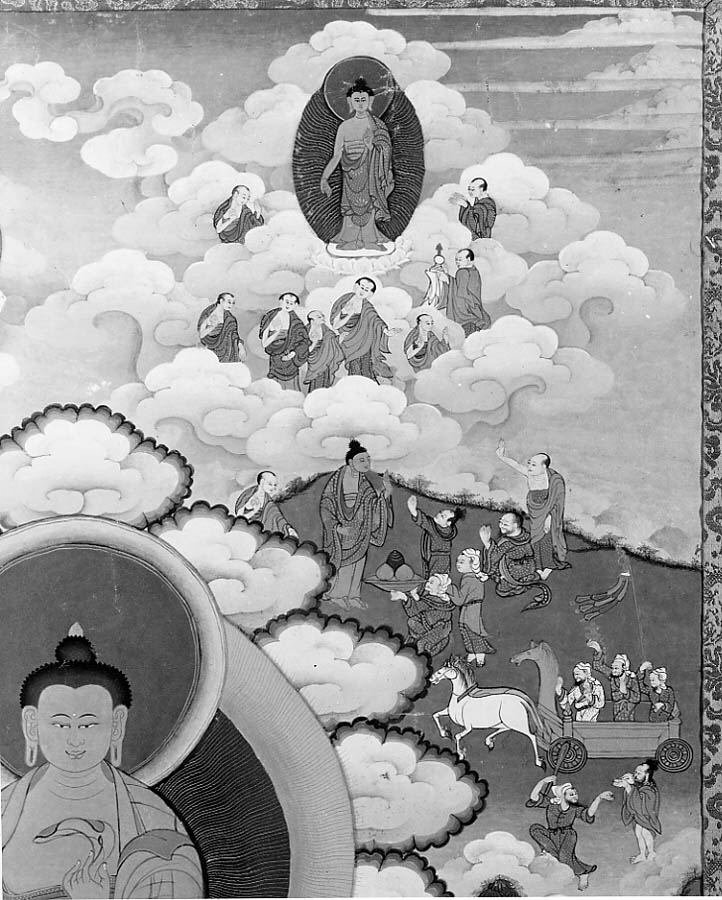
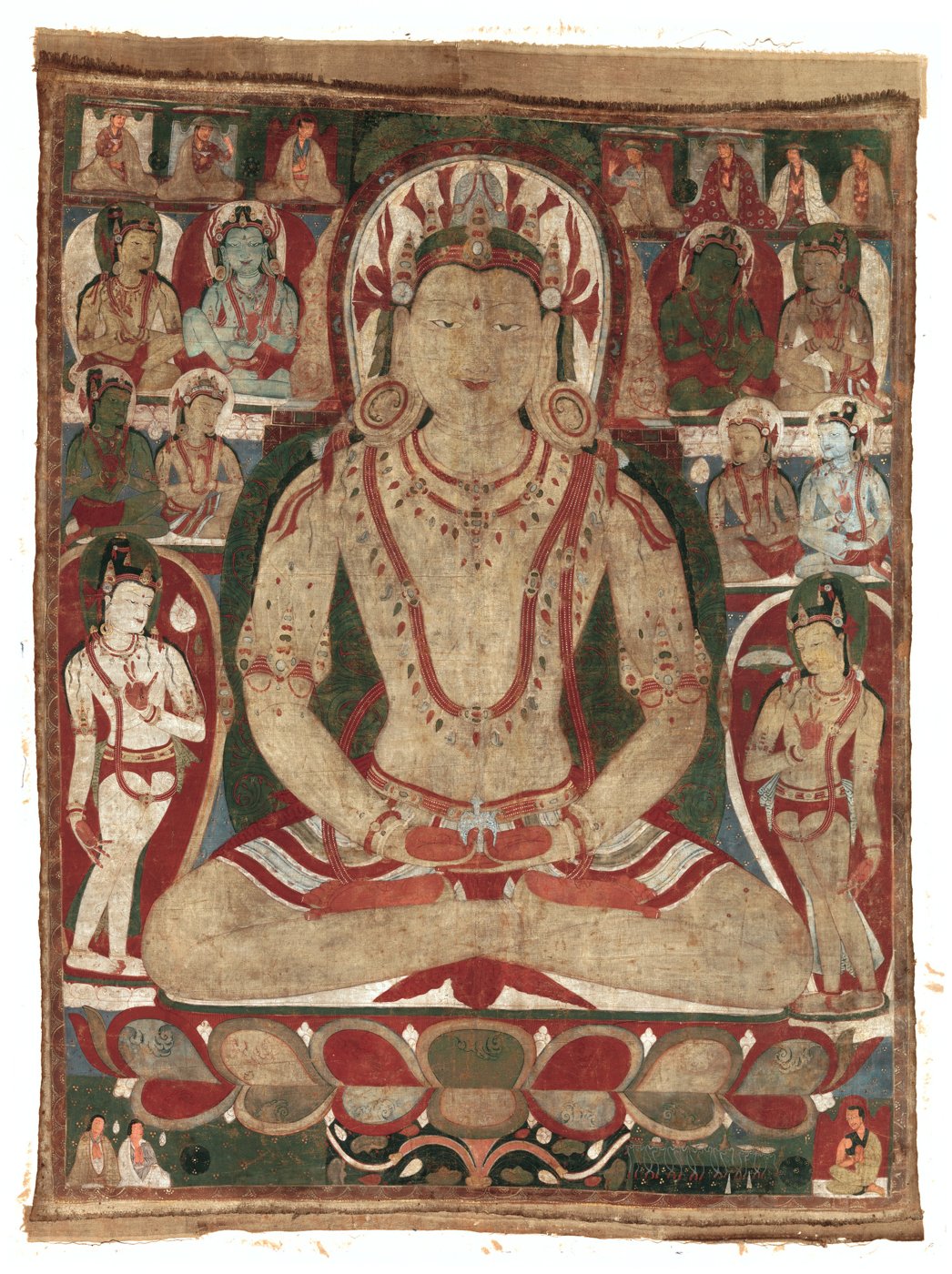
Amitabha Buddha Thangka: Meaning, Symbols and the Pure Land of Sukhavati
Few images in Himalayan Buddhist art feel as quietly welcoming as a thangka of Amitabha. He sits in deep meditation, glowing red like a setting sun, a bowl resting in his lap and a calm, inward gaze…
Read the guide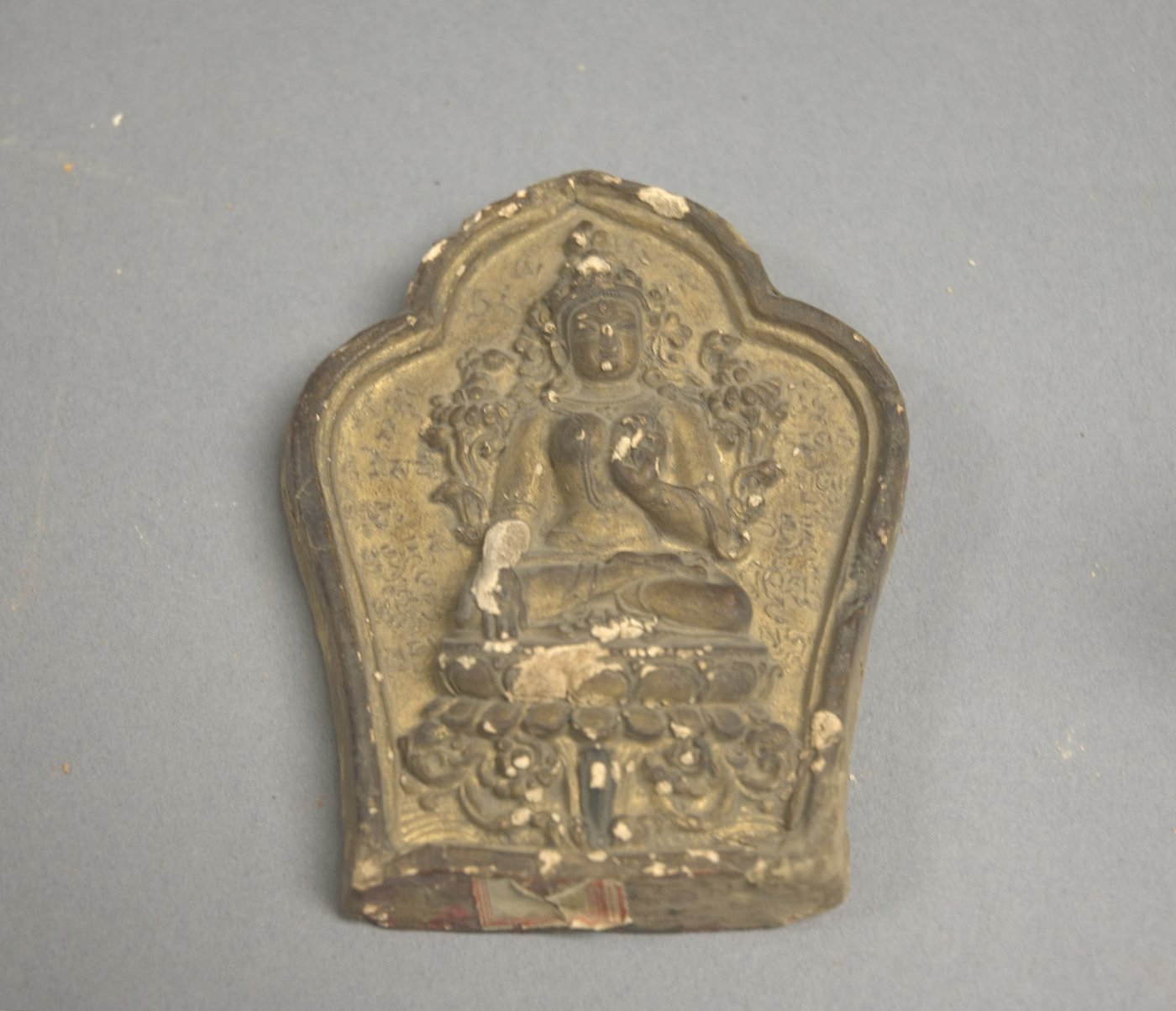
White Tara Thangka: The Seven-Eyed Goddess of Long Life
Among the many enlightened figures in Himalayan Buddhist art, few are as quietly luminous as White Tara. She sits poised on a moon disc, her body the color of autumn moonlight, gazing out with an…
Read the guide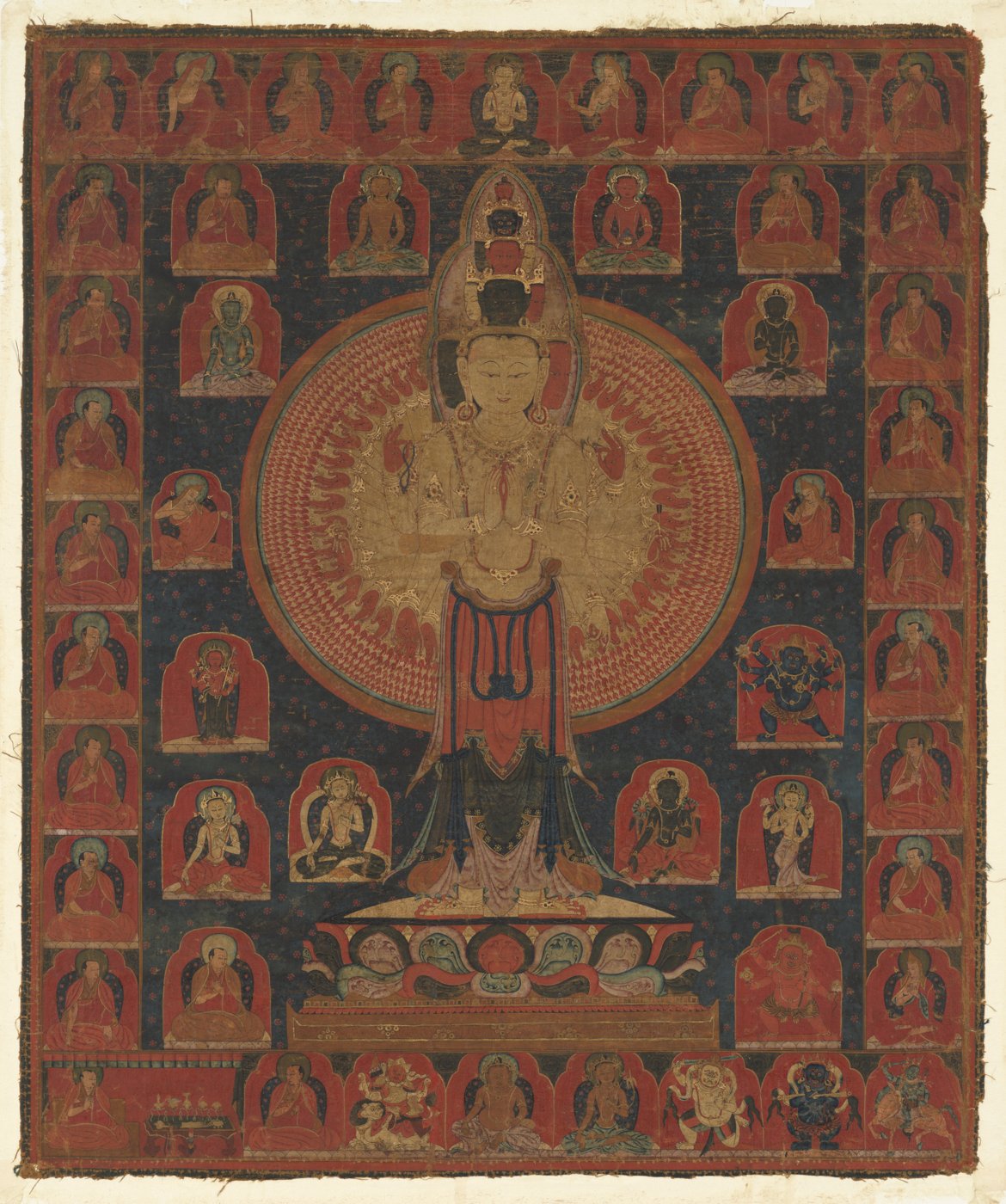
Chenrezig Thangka Guide: Four-Armed and Thousand-Armed Avalokiteshvara
Few figures in Himalayan Buddhist art are painted as often, or recognized as widely, as Chenrezig. Known in Sanskrit as Avalokiteshvara, "the lord who looks down" with compassion on the world, he is…
Read the guide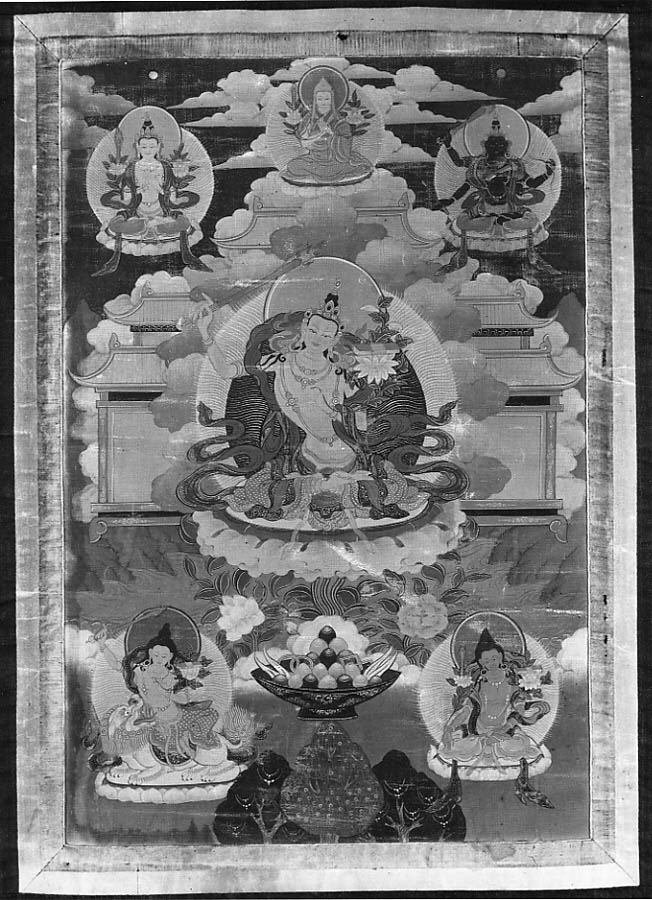
The Thangka Grid: How Iconometry Gives Every Deity Its Proportions
Look closely at a well-painted thangka and you may notice that two Buddhas, painted centuries apart in different valleys, share almost exactly the same proportions. The width of the face, the length…
Read the guide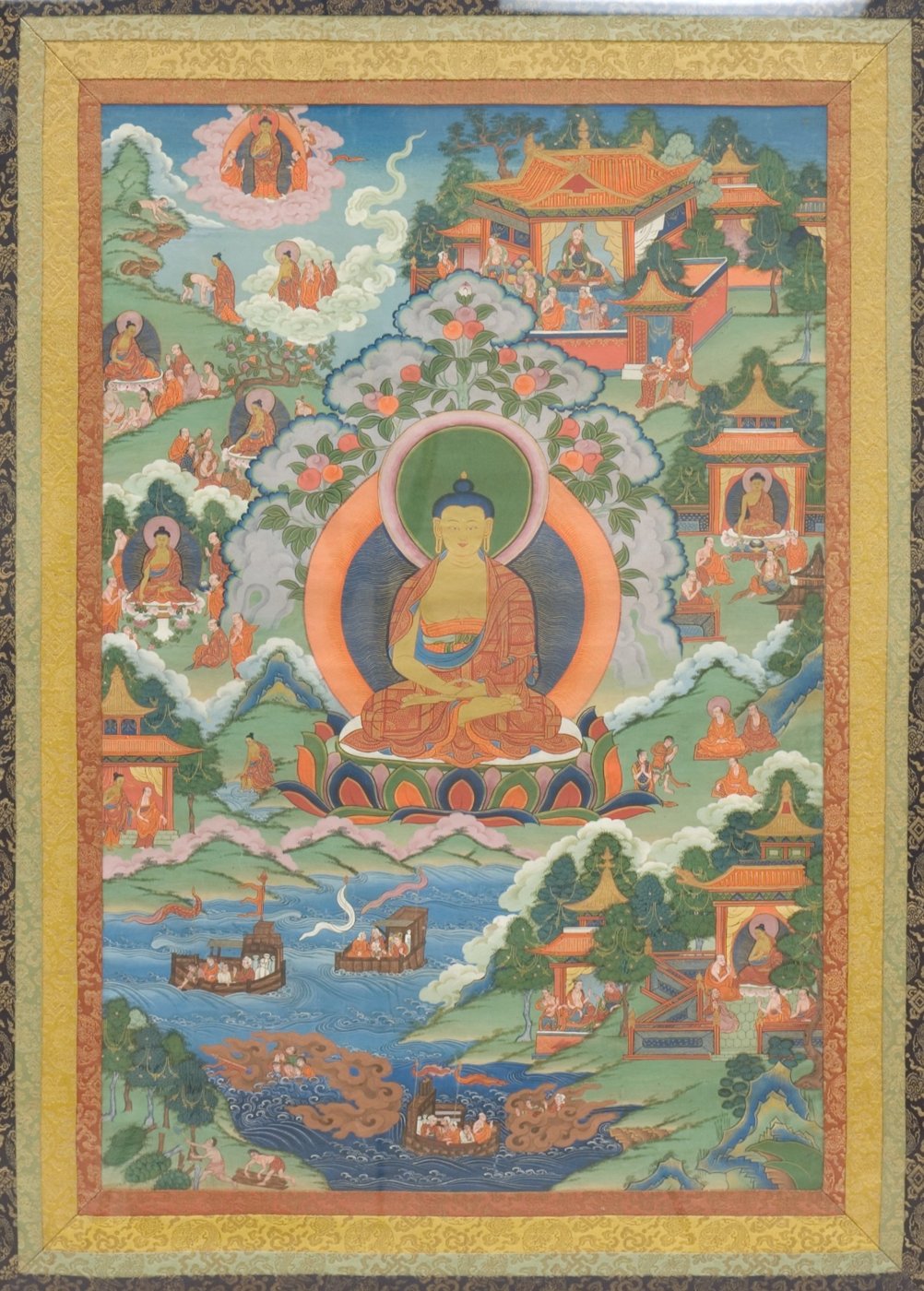
Gold in Thangka Painting: 24-Carat Gold, Burnishing and Fine Line Work
Stand in front of a well-made thangka in a dim room and the gold seems to arrive before anything else. The fine lines around a deity's robes, the flames of an aureole, and the crowns and jewelry all…
Read the guide